Sodium Hydrosulfite (Sodium Dithionite, Na2S2O4)
A technical introduction to the grades, specifications, reduction chemistry, industrial applications, packaging, storage and transport classification of sodium hydrosulfite.
CAS 7775-14-6 UN 1384 HS 2831.10 Last updated 10 October 2026
QUICK ANSWER
Sodium hydrosulfite, also called sodium dithionite, is an inorganic salt with the formula Na2S2O4 and CAS number 7775-14-6. It is one of the strongest reducing agents available in bulk and is the standard reductant for vat and indigo dyeing, reduction clearing and textile stripping. It is also used to brighten mechanical and deinked pulp, to bleach kaolin clay, to reduce hexavalent chromium in wastewater and to scavenge dissolved oxygen. It is sold at 85%, 88% and 90% minimum assay and is classified as UN 1384, Class 4.2.
CHEMICAL FORMULA
Na2S2O4
CAS NUMBER
7775-14-6
EC NUMBER
231-890-0
MOLAR MASS
174.10 g/mol
COMMON GRADES
85% / 88% / 90%
TRANSPORT CLASS
UN 1384, Class 4.2, PG II
Values are typical for commodity industrial grades. Confirm against the batch Certificate of Analysis.
ON THIS PAGE
What is sodium hydrosulfite?
Product identity and synonyms
Grades and specifications
Physical and chemical properties
How it works: reduction chemistry
Industrial applications
Packaging and container loading
Storage, handling and shelf life
Safety and transport classification
Quality control and documentation
How to choose a grade
Frequently asked questions
Ordering and contact
What is sodium hydrosulfite?
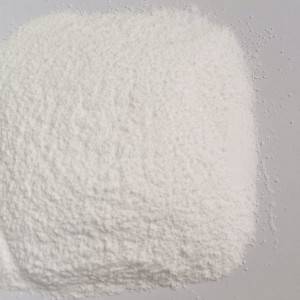
Sodium hydrosulfite (sodium dithionite, Na2S2O4) is an inorganic sodium salt of dithionous acid and one of the most powerful reducing agents manufactured at industrial scale. It is a white to pale yellow, free-flowing crystalline powder that is readily soluble in water and practically insoluble in ethanol and other organic solvents. Its aqueous solutions are alkaline and reduce many coloured or oxidised species on contact.
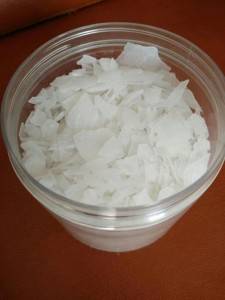
The molecule contains a weak, highly reactive sulfur–sulfur bond. That bond is what gives sodium hydrosulfite its characteristic behaviour: it releases electrons readily, but it is also unstable in the presence of moisture, oxygen, heat, acids and oxidising agents. Commercial material is therefore the anhydrous salt, dried and sealed in airtight packaging. A dihydrate, Na2S2O4·2H2O, exists as pale yellow flakes but is markedly less stable and is not normally traded as a commodity.
Because the active content is limited by the stability of the salt, industrial sodium hydrosulfite is supplied at 85%, 88% and 90% minimum assay expressed as Na2S2O4. The balance of the powder is mainly sodium carbonate, sodium sulfite, sodium thiosulfate, sodium metabisulfite and sodium formate — by-products of manufacture that are largely inert but consume alkalinity and add to the load in a dye bath or bleaching liquor.
Product identity and synonyms
Also known as: sodium hydrosulphite (British spelling), sodium dithionite (preferred chemical name), disodium dithionite, sodium hypodisulfite, dithionous acid disodium salt, sodium dithionite anhydrous, Na2S2O4, SHS, and in trade usage simply “hydros” or “hydrosulfite”.
Table 1. Identity and regulatory identifiers
Preferred chemical name Sodium dithionite
Common trade name Sodium hydrosulfite / sodium hydrosulphite
Molecular formula Na2S2O4
Molar mass 174.10 g/mol
CAS Registry Number 7775-14-6
EC / EINECS number 231-890-0
UN number 1384
Proper shipping name Sodium dithionite (sodium hydrosulphite)
Dangerous goods class Class 4.2 — substances liable to spontaneous combustion; Packing Group II
HS code 2831.10 (China 10-digit 2831101000)
Chemical family Inorganic salt; sulfur oxoacid salt; reducing agent
Typical HS chapter Chapter 28 — inorganic chemicals; dithionites and sulphoxylates
Grades and specifications
Sodium hydrosulfite is specified first and foremost by active content, reported as the percentage of Na2S2O4. The three standard commodity grades are 85%, 88% and 90% minimum. Higher-assay material carries more reducing power per kilogram and leaves fewer by-products in the bath, which is why 90% grade is preferred for critical dyeing work and for export markets with tight process control requirements.
Table 2. Typical specification ranges by grade. Indicative values only — each batch is supplied with its own Certificate of Analysis, and contractual specifications should always be agreed in writing before ordering.
PARAMETER INDUSTRIAL 85% INDUSTRIAL 88% INDUSTRIAL 90% HIGH-PURITY / FOOD GRADE
Na2S2O4 content (min) ≥ 85% ≥ 88% ≥ 90% ≥ 90% to 99%
Sodium carbonate, Na2CO3 3.0–4.5% 1.0–5.0% 1.0–4.0% ≤ 0.6%
Sodium sulfite, Na2SO3 ≤ 2.0% ≤ 1.5% ≤ 1.0% ≤ 0.5%
Sodium thiosulfate, Na2S2O3 ≤ 2.0% ≤ 1.5% ≤ 1.0% ≤ 0.5%
Sodium metabisulfite, Na2S2O5 5.5–7.5% 3.5–7.0% 3.0–6.0% ≤ 3.0%
Sodium formate, HCOONa ≤ 0.5% ≤ 0.5% ≤ 0.3% ≤ 0.05%
Water insolubles ≤ 0.10% ≤ 0.05% ≤ 0.05% ≤ 0.02%
Iron, Fe ≤ 20 ppm ≤ 20 ppm ≤ 15 ppm ≤ 5 ppm
Zinc, Zn ≤ 1 ppm ≤ 1 ppm ≤ 1 ppm ≤ 1 ppm
Heavy metals (as Pb) ≤ 10 ppm ≤ 10 ppm ≤ 10 ppm ≤ 1–5 ppm
Appearance White to light yellow free-flowing crystalline powder or granules; odourless or faint sulfurous odour
Shelf life 12 months in unopened, airtight original packaging
Two physical forms are commonly offered: a fine powder, which dissolves quickly and is preferred for continuous dyeing ranges, and a granular product, which generates less airborne dust, flows more freely through dosing equipment and is easier to handle manually. Dust generation matters not only for operator comfort but for safety, because fine dust disperses sulfur dioxide more readily and is more prone to self-heating when exposed to humid air.
Physical and chemical properties
Table 3. Physical and chemical properties of sodium hydrosulfite (anhydrous, commercial grade)
Appearance White to light yellow crystalline powder or granules
Odour Odourless, or a faint sulfurous (sulfur dioxide) odour
Chemical formula Na2S2O4
Molar mass 174.10 g/mol
Bulk density Approx. 0.7–1.0 g/cm3 (higher for granular grades)
Solubility in water Readily soluble; dissolution is accompanied by mild decomposition, and solubility decreases in hot or strongly alkaline water
Solubility in organic solvents Practically insoluble in ethanol; insoluble in most common organic solvents
pH of aqueous solution Alkaline (typically around 8–11 depending on concentration, as the salt hydrolyses)
Thermal stability Decomposition begins above approximately 75–85 °C; decomposition becomes violent around 190 °C
Auto-ignition temperature Approx. 250 °C (dry product)
Decomposition products Sulfur dioxide (SO2), sodium sulfite, sodium thiosulfate, sodium sulfate and heat
Reactivity Reacts with water and moisture, acids, oxidising agents and combustible organic materials; wet material self-heats
Stability in dry storage Stable for 12 months when kept dry, cool and airtight
Handling implication: the combination of moisture sensitivity, heat release and sulfur dioxide evolution is what drives every packaging and storage rule on this page. Sodium hydrosulfite does not fail gracefully — a damp drum loses assay first, then begins to self-heat. Always treat moisture ingress as a safety event, not just a quality issue.
How it works: reduction chemistry
Sodium hydrosulfite works by donating electrons. In aqueous solution the dithionite ion is oxidised while the target substance is reduced, which is the basis of every application described below.
In alkaline solution, the dithionite ion is consumed roughly according to:
S2O42− + 4 OH− → 2 SO32− + 2 H2O + 2 e−
Three consequences follow directly from this and explain why the chemical is used the way it is:
Alkali is a co-reagent, not an optional additive. Sodium hydrosulfite needs caustic soda or another alkali present to function efficiently and to keep the reduced species in solution. In vat dyeing the reagent pair is always sodium hydrosulfite plus caustic soda.
It works fast and is consumed fast. Because the reductant is unstable, dosage is normally calculated on the weight of goods, with an excess to cover losses by atmospheric oxygen. Over-stirring, splashing and long open-bath times waste product.
Reduction is reversible. Many reduced species re-oxidise on exposure to air. This is exploited deliberately in vat dyeing, where the soluble reduced form penetrates the fibre and is then oxidised back to an insoluble pigment in place.
Two different bleaching mechanisms
It is worth distinguishing reductive bleaching from oxidative bleaching, because buyers sometimes expect sodium hydrosulfite to behave like hydrogen peroxide or sodium hypochlorite.
Reductive bleaching (sodium hydrosulfite). Coloured carbonyl and quinone groups in the fibre are chemically reduced to colourless hydroxyl forms. Lignin is not dissolved or removed, and the effect is reversible if the material is later re-oxidised. This makes it ideal where fibre strength must be preserved, and for brightening mechanical pulps where oxidative bleaching would attack the fibre.
Oxidative bleaching (hydrogen peroxide, hypochlorite). Chromophores are destroyed irreversibly, but the treatment is harsher and, in the case of chlorine-based agents, generates chlorinated by-products.
Industrial applications
Sodium hydrosulfite is used wherever a strong, fast, alkaline-compatible reducing agent is required. The seven application areas below cover essentially all commercial demand.
1. Textile vat dyeing, indigo dyeing and denim
This is the single largest use. Vat dyes such as indigo are insoluble pigments. In an alkaline bath, sodium hydrosulfite reduces them to the water-soluble “leuco” form, which has an affinity for cellulose and penetrates cotton and other cellulosic fibres. When the goods are lifted into air the reduced dye re-oxidises inside the fibre and is locked in as insoluble pigment. Indigo denim dyeing, continuous vat ranges and yarn-dyeing operations all depend on tight control of hydrosulfite dose, alkali concentration and redox potential.
2. Reduction clearing, printing and stripping
After dyeing with disperse dyes, polyester goods are normally given a reductive after-treatment — reduction clearing — to remove loosely bound dye from the fibre surface and improve fastness. Sodium hydrosulfite plus caustic soda is also used in discharge and resist printing, to strip faulty dyeings for re-dyeing, and to clean dyeing equipment and vats of residual colour.
3. Textile bleaching and fibre preparation
Silk, wool, nylon and other protein or synthetic fibres are bleached reductively without the fibre damage that strong oxidants would cause. Sodium hydrosulfite is also used in reductive whitening and in the preparation of bast fibres such as linen, jute, bamboo and straw.
4. Pulp and paper bleaching
In papermaking, sodium hydrosulfite brightens mechanical pulp, thermomechanical pulp and deinked recycled pulp. Because it is a reductive bleach, it does not dissolve lignin and therefore preserves yield, and it introduces no chlorinated organic compounds into the mill effluent. It is often the brightening agent of choice for recycled fibre lines and for mills with strict effluent limits.
5. Kaolin clay and mineral brightening
Kaolin and other industrial clays derive much of their colour from iron. Sodium hydrosulfite reduces insoluble ferric iron (Fe3+) to the soluble ferrous state (Fe2+), which is removed in the subsequent washing, filtration or dewatering stage. The result is a measurable increase in clay brightness, which is why the ceramic, paper-coating and filler industries are major consumers. The same reductive solubilisation principle is applied in the processing of other non-metallic minerals.
6. Leather, fur and hides
Sodium hydrosulfite is used for bleaching and reductive whitening of fur, wool-on skins and certain leathers, and in the preparation of hides where a reducing environment is required.
7. Chemical synthesis, water treatment and gas purification
Chemical synthesis: a selective reducing agent in organic and inorganic transformations, and in the manufacture of sulfur-containing chemicals such as thiourea and its derivatives.
Wastewater treatment: decolourisation of residual dyes in textile effluent and reduction of toxic hexavalent chromium, Cr(VI), to the far less toxic trivalent form, Cr(III), so it can be precipitated and removed as hydroxide sludge.
Oxygen scavenging: removal of dissolved oxygen from boiler feedwater and industrial process water, and scrubbing of traces of oxygen from gas streams.
Photographic and analytical chemistry: as a reducing agent in developing and in laboratory redox work.
Food-additive grade
A high-purity, low-heavy-metal grade is produced for the food industry and used as a bleaching agent and preservative in applications such as dried fruit, candied fruit, glucose, sugar and certain vegetable products — but only in jurisdictions where sodium dithionite is an approved additive. Permitted uses and maximum levels vary widely between countries and regions, and industrial grade must never be substituted. Buyers should confirm local regulatory status before specifying this grade.
Packaging and container loading
Because moisture is the primary threat to both quality and safety, sodium hydrosulfite is never supplied in ordinary open packaging. Every standard pack is a sealed barrier container with an inner liner.
Table 4. Standard packaging options
PACK CONSTRUCTION TYPICAL USE
25 kg drum Steel or iron drum, double inner PE liner, clamped lid Manual dosing, small and medium plants, mixing containers
50 kg drum Steel or iron drum, double inner PE liner, clamped lid Most common export pack; standard for ocean freight
100 kg drum Heavy-gauge steel drum, double inner PE liner Larger plants, reduced handling per tonne
900–1000 kg jumbo bag Woven PP outer bag with moisture-proof PE inner liner, on pallet, UN-rated where required Bulk storage where dry, covered handling is guaranteed
Loading reference figures: approximately 22 metric tonnes per 20-foot container when packed in 50 kg drums without pallets, and around 20 metric tonnes when drums are palletised. Because the product is regulated dangerous goods, container stuffing must keep drums upright, protect them from puncture, and keep the load clear of water ingress. A photo record of the loading is normally provided before shipment.
Storage, handling and shelf life
Storage conditions
Store in a cool, dry, well-ventilated, fire-resistant warehouse, out of direct sunlight, preferably below about 30 °C.
Keep away from steam lines, heaters, hot equipment and any other heat source.
Store separately from water, acids, oxidising agents, and combustible organic materials such as paper, wood, oil and rags.
Never store where the floor can become wet or flooded, and never stack drums where they can be punctured or crushed.
Rotate stock first-in, first-out. Keep only working quantities in the production area; keep the balance in the dedicated store.
Inspect stored drums periodically for heat or damage. Any drum that feels warm must be moved to a well-ventilated area away from other stock and opened with care.
Shelf life and opened packs
Shelf life is 12 months from the date of manufacture in unopened, airtight original packaging. Once a drum is opened the product begins to lose assay, and the rate of loss depends entirely on local humidity. Partly used drums should be resealed immediately — fold the liner over, clamp the lid, and where the product is not going to be used within a few days, tape the lid seam. Consume opened drums promptly and never leave them open over a weekend or through a humid spell.
Handling practice
Work with local exhaust ventilation and keep dust generation to a minimum; prefer granular grades where manual handling is unavoidable.
Use a dust respirator, chemical safety goggles or face shield, acid-resistant gloves and protective clothing.
Provide eyewash stations and safety showers in the handling area; prohibit eating, drinking and smoking.
Never use water to wash spilled dry powder into a drain or confined space: decomposition releases sulfur dioxide and heat.
Empty packaging still contains dust and must be treated as hazardous until cleaned or disposed of by a licensed route.
Safety and transport classification
Table 5. Transport and hazard classification
UN number 1384
Proper shipping name Sodium dithionite (sodium hydrosulphite)
Hazard class 4.2 — substances liable to spontaneous combustion
Packing group II
Applicable codes IMDG Code (sea), ADR / RID (road and rail), IATA DGR (air)
Required documents for export Booking request, English-language Safety Data Sheet (MSDS), dangerous goods packing certificate, carrier DG declaration form
Booking lead time (ocean) Normally 10–14 days before vessel cut-off
Principal hazards
Self-heating and fire. Wet or damp material, or material contaminated with oxidisers or combustible organics, can self-heat to the point of ignition. Heat trapped inside a sealed drum or a stacked pallet cannot escape.
Sulfur dioxide release. Decomposition liberates SO2, a toxic and strongly irritating gas. Confined spaces, holds and warehouses must be ventilated before entry.
Violent reaction with oxidising agents. Contact with oxidisers, acids or strong alkalis can cause vigorous decomposition, and in extreme cases combustion or explosion.
Dust and eye/skin irritation. The dry powder is alkaline and irritant to eyes, skin and the respiratory tract.
Firefighting and spill response
Apply large, flooding quantities of water from a safe distance to cool and dilute decomposing material. Small amounts of water can accelerate decomposition, so do not use a light spray as sole suppression. Dry chemical media may knock down flame but will not stop decomposition — flooding water is the appropriate response. Isolate the area, keep personnel upwind, and wear full protective equipment with respiratory protection because of SO2. For spills, avoid raising dust, do not wash the dry powder into drains, collect material in sealed dry containers for licensed disposal, and ventilate the area thoroughly.
Always read the Safety Data Sheet. The summary above is an introduction for buyers and logistics planners. It is not a substitute for the current SDS, which must be consulted for exposure limits, first aid measures, personal protective equipment selection and emergency procedures before the product is handled.
Quality control and documentation
Because assay and by-product profile decide how much chemical a plant actually needs, documentation quality is a real commercial variable rather than a formality. A complete supply should include:
Batch Certificate of Analysis (COA) showing Na2S2O4 content, sodium carbonate, sulfite, thiosulfate, metabisulfite, formate, water insolubles, iron, zinc and heavy metals.
English-language Safety Data Sheet (MSDS) in the current GHS-aligned format, matching the shipped product grade.
Typical production standard: Chinese industry standard HG/T 2074 for sodium hydrosulfite, or the contract specification agreed with the buyer.
Third-party inspection such as SGS or BV on request, covering quality and quantity at load port.
Retained samples kept after shipment so that any dispute can be resolved against the actual delivered batch.
Free pre-shipment sample for laboratory confirmation of assay and performance in the customer’s own process.
Quality management certification such as ISO 9001 at the manufacturing site, and REACH registration where material is supplied into the European Union.
Loading photographs and container seal numbers issued before departure.
How to choose a grade
Grade selection is a trade-off between reducing power, by-product load and cost per unit of Na2S2O4. As a working rule:
Table 6. Grade selection guidance by application
APPLICATION TYPICAL GRADE RATIONALE
Cotton and denim vat / indigo dyeing 88% or 90% High reducing power and low by-product load; by-products consume alkali and interfere with redox control
Reduction clearing, printing and stripping 85% or 88% Cost-effective where a high excess dose is normal practice
Pulp and paper brightening 88% or 90% Consistent brightening with minimal chemical load in mill effluent
Kaolin and mineral brightening 85% to 90% Dose driven by iron content; higher assay reduces freight per unit of iron reduced
Wastewater Cr(VI) reduction and decolourisation 85% or 88% Dosed on measured Cr(VI) load; cost per kilogram of reductant dominates
Chemical synthesis and oxygen scavenging 90% or high-purity By-products and heavy metals must not contaminate the product stream
Food applications (approved markets only) Food-additive grade Heavy-metal limits and regulatory documentation are decisive
Two secondary choices also matter. First, powder versus granules: powder dissolves faster and suits continuous automated dosing, while granules produce less dust and are safer and more comfortable for manual handling. Second, drum versus jumbo bag: drums cost more per tonne but give a genuine moisture barrier, whereas jumbo bags only make sense where storage and handling are reliably dry.
Frequently asked questions
The questions below are the ones buyers, formulators and logistics teams raise most often. Each answer is written to stand on its own.
What is sodium hydrosulfite used for?
Sodium hydrosulfite is a strong reducing and bleaching agent. Its main uses are vat and indigo dyeing, reduction clearing, printing and stripping in textile processing; brightening of mechanical, thermomechanical and deinked pulp in papermaking; brightening of kaolin and other industrial clays; fur and leather processing; reduction of hexavalent chromium and decolourisation of dyes in wastewater treatment; dissolved-oxygen scavenging in boiler water and gas purification; and as a reducing agent in chemical synthesis.
Are sodium hydrosulfite and sodium dithionite the same chemical?
What is the CAS number, chemical formula and molecular weight?
What grades of sodium hydrosulfite are available?
Why is sodium hydrosulfite packed in steel drums?
What is the shelf life?
Is sodium hydrosulfite dangerous to transport?
What happens if sodium hydrosulfite gets wet?
What is the HS code for sodium hydrosulfite?
How is sodium hydrosulfite different from sodium metabisulfite?
Can sodium hydrosulfite be used in food?
How much fits in a 20-foot container?
How should sodium hydrosulfite be stored?
What personal protective equipment is required?
Ordering and contact
Supply summary
Grades: 85% / 88% / 90% min as Na2S2O4, plus high-purity and food-additive grades on request
Packing: 25 kg, 50 kg and 100 kg steel drums with double PE liners; 900–1000 kg jumbo bags
Loading: approx. 22 MT per 20-foot container (non-palletised, 50 kg drums)
Documents: batch COA, English SDS, DG packing certificate, loading photographs
Services: free pre-shipment sample, third-party inspection (SGS / BV), mixed containers, custom packing
Delivery: FOB, CFR, CIF and DAP terms; shipment typically 7–14 days after deposit or L/C