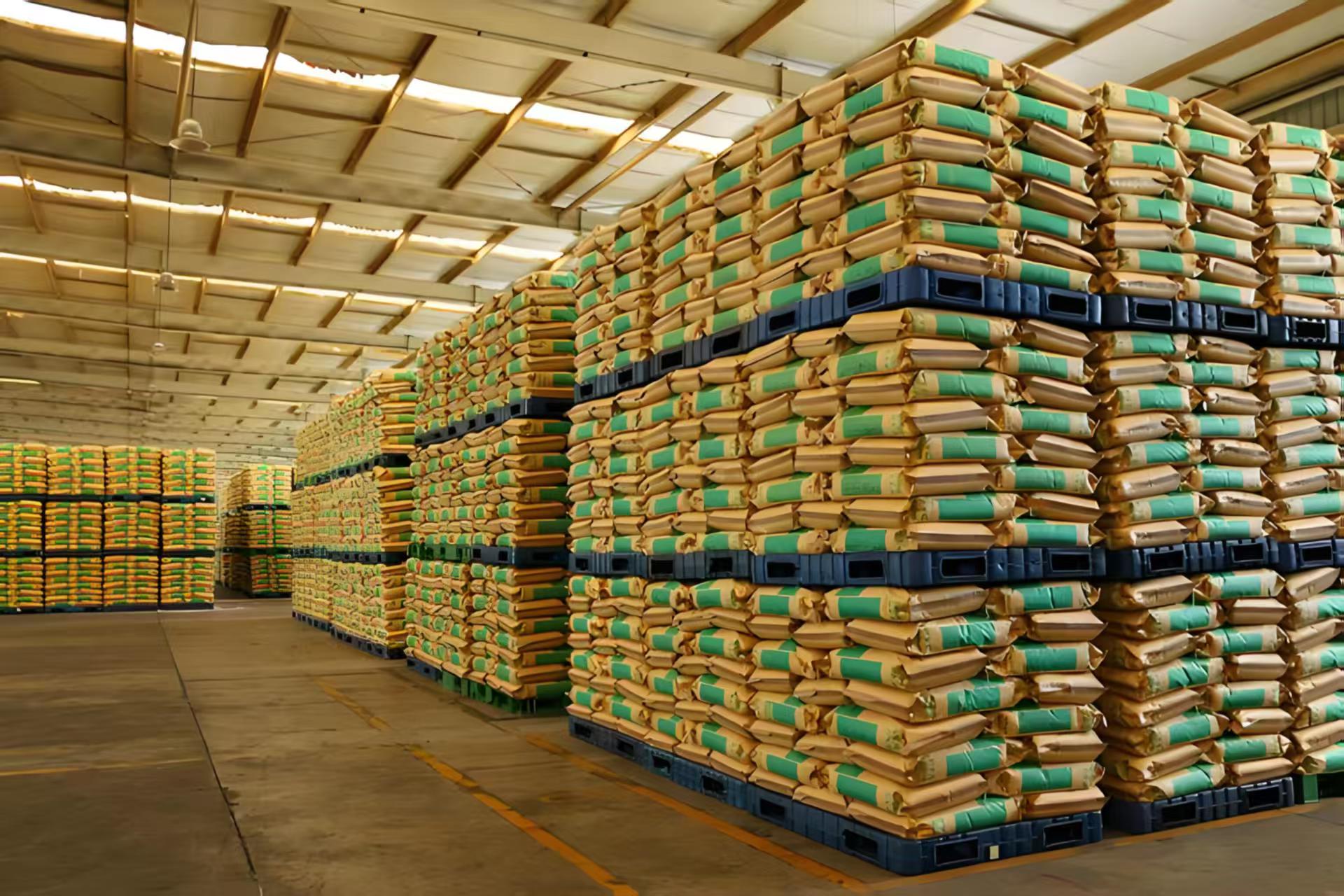
PVC resin, also known as polyvinyl chloride resin, is a thermoplastic polymer material polymerized from vinyl chloride monomer. Its chemical structural formula is – (CH ₂ – CHCl) ₙ -, which has excellent chemical corrosion resistance and electrical insulation properties. However, it is inherently brittle and its impact resistance and other properties are often improved by adding modifiers
Specification:
| TIEM | SG5 |
| K Value | 68-66 |
| Viscosity(ml/g) | 118-107 |
| The impurity particle counts | =14 |
| Content of volatile matter(include water) (% ) | =0.07 |
| Apparent density/(g/ml) | =0.53 |
| Screen mesh 0.25 mm | =0.24 |
| Screen mesh 0.063 mm | =99.00 |
| Quantity for the fisheyes(amout/400cm2) | =17 |
| Absorbed dose for plasticizer of resin per 100g | =23.58 |
| Whiteness, 160C, 10min (%) | =82 |
| Content of residual vcm /(/g) | =9.9 |
|
|
|
| ITEM | PVC SG3 |
| K value | 72-71 |
| Viscosity(ML/G) | 135-127 |
| Number of impurity partical<= | 16 |
| Volatiles content(include water)%,<= | 0.30 |
| Appearing density G/ML>= | 0.45 |
| Number of fish eye(/400 cm2 ) <= | 20 |
| Plasticizer absorption of 100g resin>= | 26 |
| Whiteness(160,after 10 min)% >= | 80 |
| VCM residue PPM,<= | 3 |
Usage: PVC resin is the most widely raw material used in plastic production. It has good chemical stability, corrosion resistance and water resistance. It can be dissolved in acetone, hydrochloric ether, ester and some alcohol. It can offer good solubility, good electrical insulation, thermoplasticity and membrane forming capacity.